
The right clothing can make daily dressing more comfortable and manageable. Start by thinking about which steps feel difficult: reaching overhead, fastening small buttons, balancing while standing, or managing fabric that pulls or bunches. Then look for garments that reduce those demands without compromising comfort or personal style. Many standard clothes can also be adjusted by a tailor. A few practical checks can help you decide what to buy, what to alter, and what to try on before committing.
Identify the difficult steps
Consider the full dressing routine rather than focusing only on a garment’s appearance. Note whether the main challenge is reaching, grip, bending, balance, pain, or time. Also think about whether dressing happens while seated or with assistance. These details point to useful features: a wider opening may help with limited reach, while a stable waistband can make trousers easier to manage from a seated position.
Check which body areas need room and which need secure support. A garment that feels comfortable while standing may pull across the hips or ride up when seated. Try moving through the positions you use during the day, such as sitting, standing, or lifting an arm. If possible, bring a trusted helper to a fitting and describe the specific movements that cause discomfort.
Choose useful garment features
Closures can make a noticeable difference. Larger zipper pulls, magnetic closures, hook-and-loop fasteners, and elastic waistbands may be easier to manage than small buttons or tight hooks. Front openings can reduce the need to pull clothing over the head. For some people, side or back openings make dressing easier with help. Choose closures that feel secure and are simple for the wearer or caregiver to operate.
Look for soft, flexible fabric that allows comfortable movement and does not create irritating seams or pressure points. Tagless designs, flat seams, and smooth linings may help if skin is sensitive. Check that sleeves and leg openings are wide enough for movement or medical equipment, if relevant. For seated wear, a longer back and a shorter front can improve coverage without excess fabric bunching in the lap.
Use alterations to improve fit
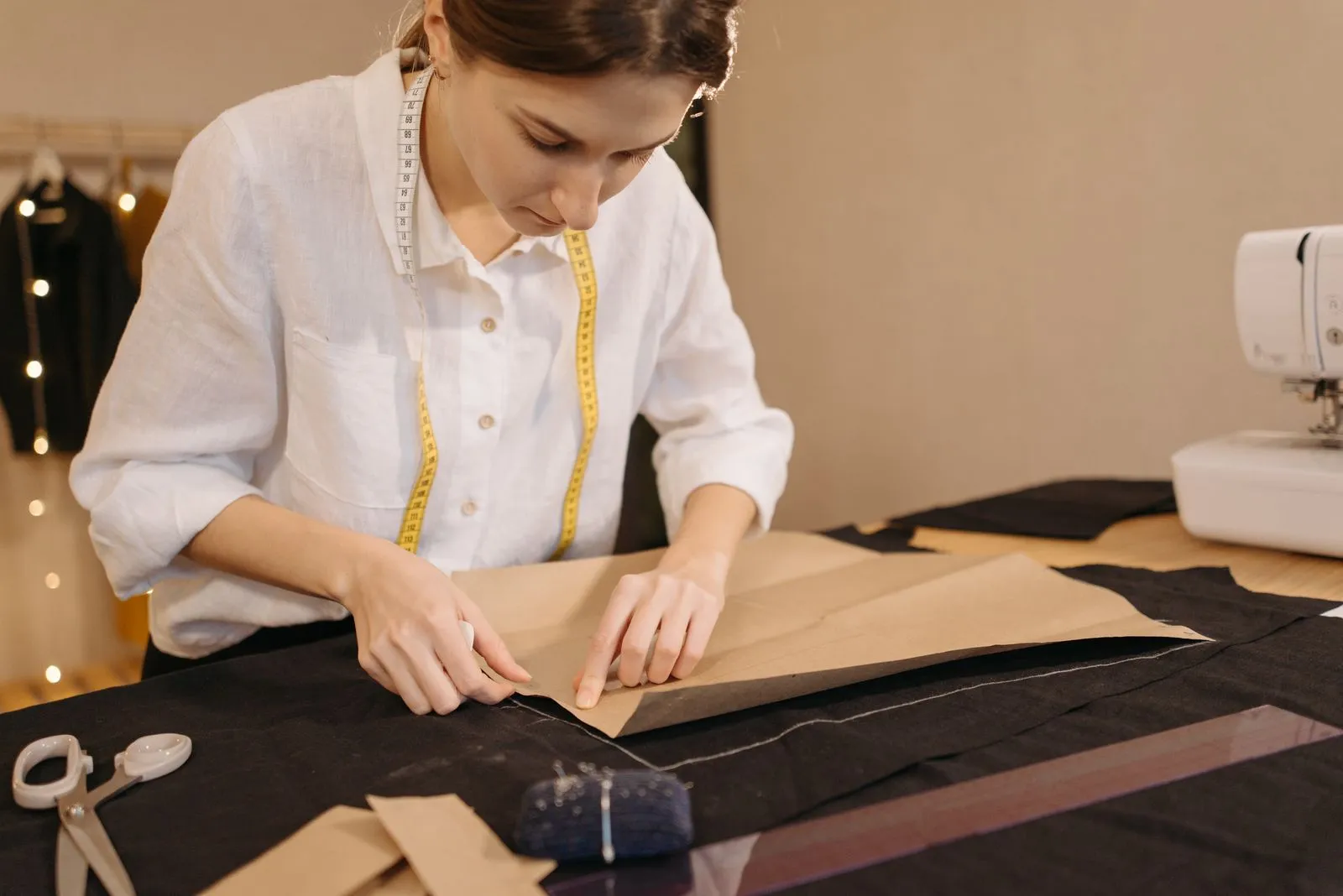
A tailor may be able to replace small buttons with easier closures, add zipper pulls, widen an opening, or adjust a waistband. Other useful changes can include shortening a hem to reduce tripping risk, reshaping a sleeve for easier arm movement, or reducing excess fabric that catches on equipment. Ask whether the alteration will affect the garment’s strength, washability, or appearance before work begins.
Bring the garment and any equipment or supports you regularly wear to the fitting. Explain how you put it on, where it pulls, and whether you dress seated or standing. Ask the tailor to pin proposed changes while you try the garment in your usual position. A small adjustment can improve function, but changes should not create tight pressure, restrict movement, or make the closure difficult to reach.
Test comfort before choosing
When shopping, prioritize garments that are easy to try on and return if the fit is wrong. Test each closure several times with the hand you normally use, and check whether you can reach it without twisting or straining. Sit, stand, and move your arms in the garment. Notice whether fabric shifts, seams press into the skin, or the waistband rolls or slips.
Keep a short list of features that work well, along with measurements and preferred fabrics. This can save time when buying replacements or discussing alterations. If a garment needs several changes, compare the effort and fit with another style before deciding. Albany Adaptive Tailoring can discuss alteration options for clothing that needs a more accessible fit.
Choose clothing around the movements and tasks that matter in your daily routine. Comfortable fabric, reachable closures, and a well-tested fit can make dressing simpler, while targeted alterations can adapt familiar garments. Try each change in the position you normally dress, and ask a tailor about practical options for the pieces you already wear.